Have you ever experienced a liturgy that feels seamless? Where readers arrive at the lectern at just the right moment, processions move with quiet confidence, and even the unexpected unfolds without visible disruption? If you have, there’s a good chance a verger was at work.
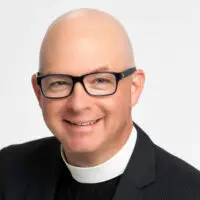
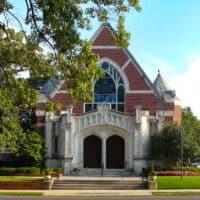
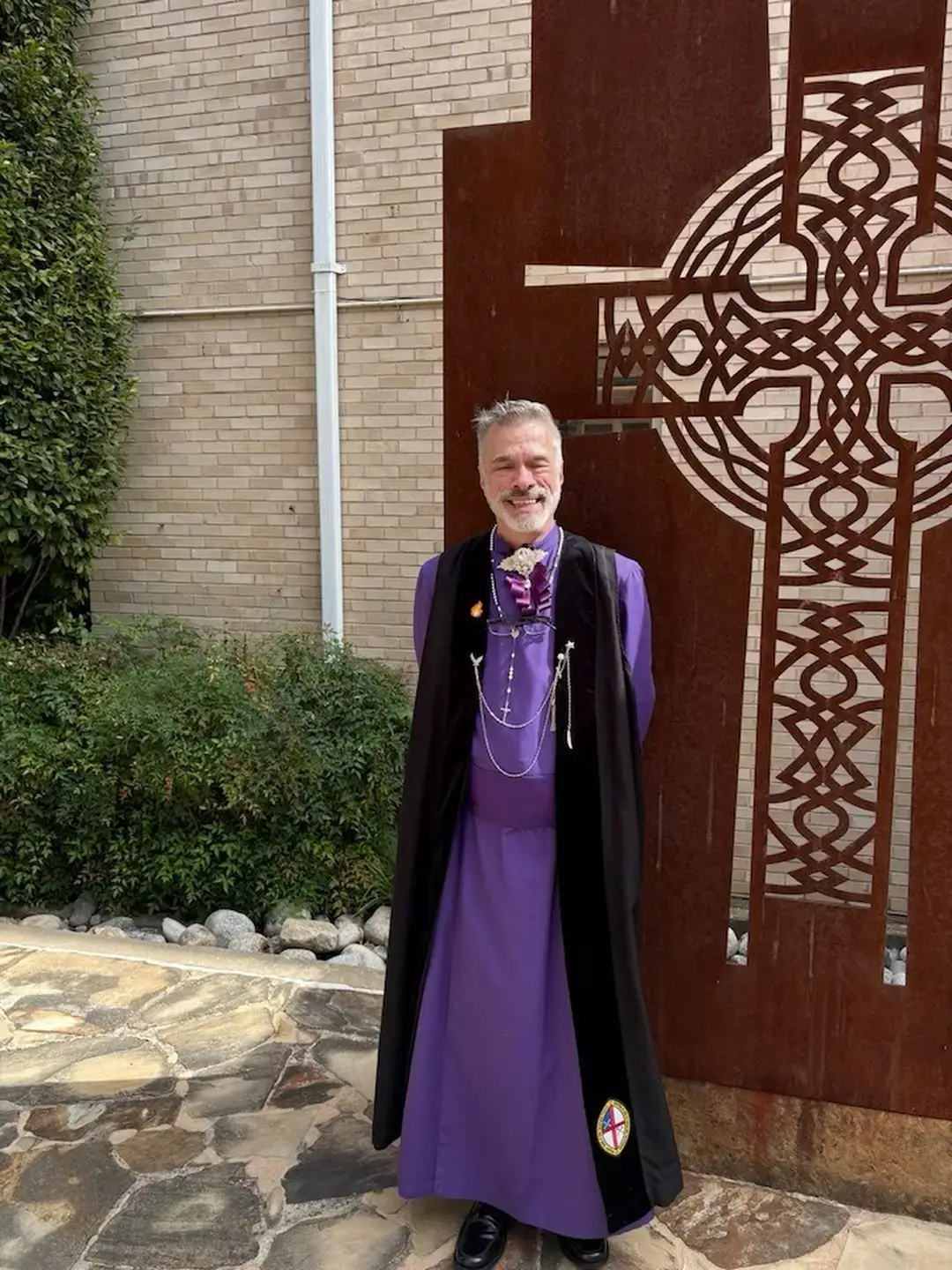
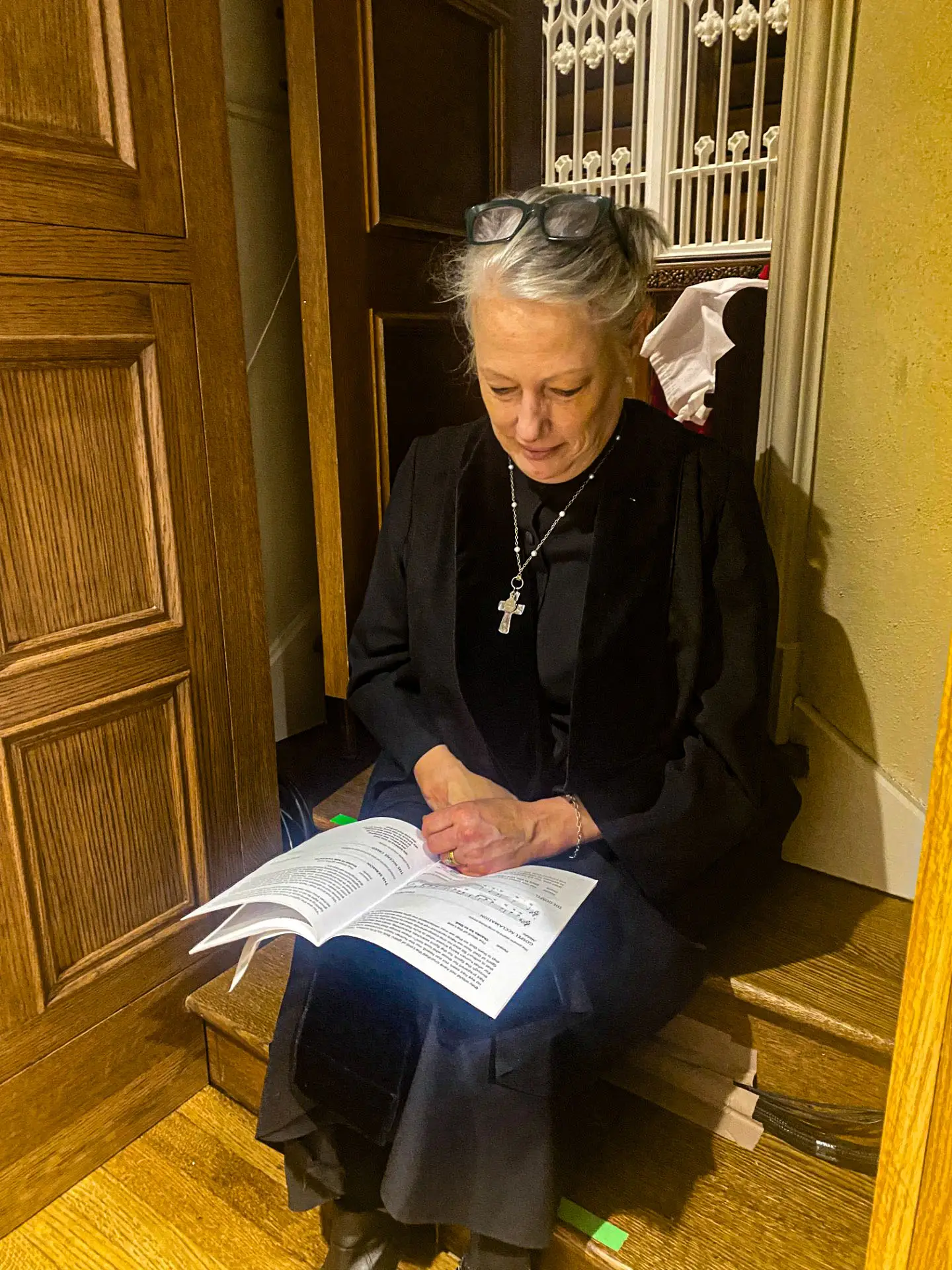
Verger ministry is one of the church’s most attentive and least visible lay ministries. It is rarely noticed when done well, yet it shapes the entire worship experience. That quiet, intentional leadership was the focus of a recent conversation between Emily Austin and two longtime vergers in the Diocese of West Tennessee: Jeffrey Berry, who has served as verger at St. Mary’s Episcopal Cathedral for ten years, and Elizabeth Colbeck, who has served as a verger at Calvary Episcopal Church for five.
“The verger is the director of the show,” said Berry. At the Cathedral, the role includes planning the flow of services, coordinating the altar guild and liturgical ministers, training acolytes, and ensuring that clergy have everything they need.
“If you’re going to come near that altar,” he added, “we’re going to have a conversation.”
For Berry, who became a verger in 2015 and completed formal training through the Vergers Guild of the Episcopal Church, the ministry is both deeply practical and profoundly holy. “To me, it’s probably one of the most holy things that you can do,” he said.
Colbeck’s path to verger ministry was shaped early on. Raised in The Episcopal Church and formed as an acolyte, she grew up watching her mother serve as a verger at their cathedral church in Atlanta.
“I think being a verger was just what I was going to do,” she said.
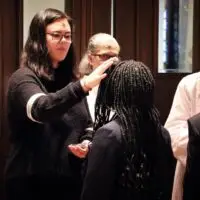
Over time, she came to understand the role as a privilege. “You don’t just raise your hand,” she explained. “You have to have the training. You have to have been a lay Eucharistic minister. You have to understand the church.”
Both vergers emphasized that while the role requires knowledge of the liturgy, the learning curve is less about memorization and more about attentiveness. “A lot of it is just paying attention to detail,” Berry said. “You’re putting a puzzle together. If something changes at the last minute, you’ve got to rearrange that puzzle so it still looks good, and make it look like that was the plan all along.”
Colbeck agreed, noting that the verger’s job is often to hold the bigger picture while staying grounded in what truly matters. Recalling advice she received while training, she said, “All that really matters is that everyone ends up coming to the communion table.”
For Berry, verger ministry begins long before the opening procession. It starts with simply entering the space. Reflecting on his years at the cathedral, he described the sense of grounding that comes with stepping into the nave each Sunday.
“When I walk into the nave, there’s this sense of calm, like, Okay, this is a holy space. Someone is here with me. We’re going to work through this, and it’s going to be a good Sunday.”
That calm is not accidental. It grows out of preparation, familiarity, and trust in the liturgy itself. The verger’s role is not to control the service, but to help hold the space so that worship can unfold as it should: predictable in structure, yet open to the movement of the Holy Spirit. When the verger is steady, the congregation can be too.
Colbeck echoed that understanding, noting that the beauty of Episcopal worship lies in the fact that so much is already given. The prayers, the rhythm, the shape of the service: these have been practiced over generations. The verger’s task is simply to tend that structure, stepping in when human chaos intrudes, and stepping back when the liturgy speaks for itself.
That perspective becomes especially important when there’s a hiccup in the service. Berry shared a moment from a Christmas Eve service at the cathedral when an acolyte fainted. “Everybody was like, ‘Oh my gosh, what do we do?’” he recalled. “You keep calm. You help. You have someone step in. And the service goes on like nothing ever happened.”
The verger’s calm, he noted, helps the entire congregation feel that “it’s going to be okay, because it is.”
Both vergers described their ministry as one rooted in hospitality as much as ceremony. Verger robes can look imposing, Colbeck acknowledged, especially to someone unfamiliar with Episcopal worship. “I’m very aware that I look like I might be intimidating,” she said. “So I make sure to drop that. ‘Oh, hi. Come on in. It’s fine. Just find a seat.’”
In many churches, the verger is among the first people a newcomer encounters, making warmth and approachability essential.
Both Berry and Colbeck expressed a shared hope: to connect with other vergers across the Diocese. Despite serving churches only blocks apart, they noted how rarely vergers have opportunities to gather, compare practices, and learn from one another.
“I bet we have a lot in common,” said Colbeck.
Those who currently serve as vergers (or who are discerning a call to this ministry) are encouraged to be in touch. Berry and Colbeck would welcome the opportunity to connect with others serving in this role across West Tennessee. Interested vergers may contact St. Mary’s Episcopal Cathedral to begin the conversation.